
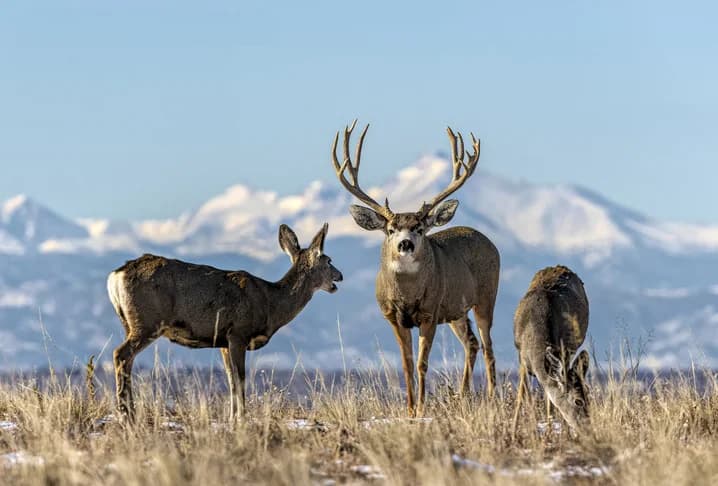
Every Big Game Draw Deadline You Need to Know for 2026
If you hunt the West, spring isn't just about turkey season or dusting off your boots. It's application season — the narrow window that determines whether you'll be holding a tag come fall or sitting at home wishing you'd paid closer attention to a deadline. Every year, hunters lose opportunities not because they lack points or funds, but because they simply missed a date. With most western states running their big game draws between February and June, right now is the time to lock in your plan.
Here's a state-by-state breakdown of the draw deadlines that matter most in 2026.
Montana
Deadline: April 1, 2026 — 11:45 p.m. MST
Montana opened its online application window on March 1, 2026, at 5:00 a.m. MST. That window covers deer, elk, antelope, moose, mountain goat, and mountain sheep. Montana uses a bonus point system for moose, sheep, and goat, and a preference point system for deer, elk, and antelope combo licenses. If you didn't draw last year, your odds improve slightly each cycle — but only if you actually apply. Montana also allows you to purchase a bonus or preference point without applying for a specific hunt, which is worth considering if you're building toward a once-in-a-lifetime tag.
Colorado
Deadline: April 7, 2026
Colorado's primary big game draw — covering elk, deer, pronghorn, bear, and moose — runs from March 1 through April 7, 2026. This is one of the most popular draws in the country, and for good reason. Colorado holds the largest elk herd in North America and offers a wide range of unit options for both residents and nonresidents. The state uses a weighted preference point system, meaning your odds increase with accumulated points but a portion of tags are still allocated to the random pool. If you don't draw in the primary, keep your eye on the secondary draw, which typically opens in mid-June and offers leftover tags on a first-come, first-served basis.
Wyoming
Leftover Draw: June 22–26, 2026 | Point Purchase: July 1 – Nov. 2, 2026
Wyoming's 2026 application period typically opens in early January and runs through the end of February for elk, deer, and antelope. The leftover draw application window is June 22 through June 26, 2026, and the preference point purchase period runs from July 1 through November 2, 2026. Wyoming is a favorite among nonresident hunters because its preference point system is straightforward, and the state allocates a generous share of tags to nonresidents — up to 20 percent in most units. If you've been stacking points for a premium elk unit, this is the year to study your odds carefully and decide whether to burn or hold.
Arizona
Second Cycle Deadline: June 9, 2026
Arizona runs two major draw cycles each year. The spring cycle, which covers elk, pronghorn, and other species, closed on February 10, 2026. The second cycle — covering deer, fall bison, fall turkey, and additional species — has a deadline of June 9, 2026. A third cycle in October handles species like javelina and spring bear. Arizona uses a bonus point system where each accumulated point gives you an additional entry in the random draw. Because the odds on trophy units are notoriously low, many hunters treat Arizona as a long-term investment and apply every year to build points.
New Mexico
Primary Draw: Closed — March 18, 2026
New Mexico's draw deadline for deer, elk, pronghorn, oryx, ibex, bighorn sheep, and javelina was March 18, 2026, at 5:00 p.m. MDT. If you missed it, you're out of luck for the primary draw — but New Mexico does offer over-the-counter elk tags and leftover draw tags later in the year. One of the unique things about New Mexico is that it doesn't use a point system. Every applicant has an equal chance in the draw regardless of how many years they've applied, which makes it one of the most accessible western states for first-time applicants.
Idaho
Controlled Hunt Application: Closed — February 15, 2026
Idaho's controlled hunt application period ran from January 15 through February 15, 2026. Idaho covers deer, elk, pronghorn, moose, mountain goat, and bighorn sheep through its controlled hunt draw. The state also offers a robust selection of general season over-the-counter tags for both residents and nonresidents, especially in backcountry elk zones. Idaho uses a preference point system, and the state's general tags — particularly for elk — remain some of the best value in the West for hunters willing to hike into less accessible country.
Oregon
Deadline: May 15, 2026 — 11:59 p.m.
Oregon's controlled hunt application deadline is May 15, 2026, at 11:59 p.m. This covers deer, elk, pronghorn, mountain goat, bighorn sheep, and controlled hunt bear and cougar tags. Oregon uses a preference point system, and the state has been making changes to its draw structure in recent years to improve nonresident access. If you've been sleeping on Oregon, it's worth a serious look — the state holds quality mule deer and elk herds, and draw odds in some units are better than what you'll find in Colorado or Wyoming.
What You Should Be Doing Right Now
If you haven't already applied in Montana, Colorado, or New Mexico, those windows are either closed or closing within days. But several key deadlines are still ahead. Oregon's May 15 deadline and Wyoming's leftover draw in June give you time to regroup if you missed earlier windows.
Beyond the deadlines themselves, here are a few things every draw hunter should be doing right now. First, review your point balances across every state where you've been applying. It's easy to lose track when you're juggling multiple state systems, and a missed point purchase can set you back a year. Second, do your unit research now — not in August when tags hit your mailbox. Study harvest data, success rates, and access points while you have time to build a real game plan. Third, consider applying in states where you have zero points. New Mexico's no-point system means anyone can draw a premium elk tag on pure luck, and several states set aside a percentage of tags for the random pool regardless of points.
Draw season is a marathon, not a sprint. The hunters who consistently punch tags aren't necessarily the ones with the most points — they're the ones who stay organized, hit every deadline, and make strategic decisions about when to burn points and when to hold. Whether you're a first-time applicant or a seasoned point-holder, the worst thing you can do is let a deadline pass you by.
Mark your calendar. Set your alarms. And when fall rolls around, make sure you're the one headed to camp with a tag in your pocket.
More Articles
Ready to find your next deal?
Browse hundreds of used hunting gear listings from verified sellers.
Browse Listings